
Pros and Cons of Buying New Construction in Chicago
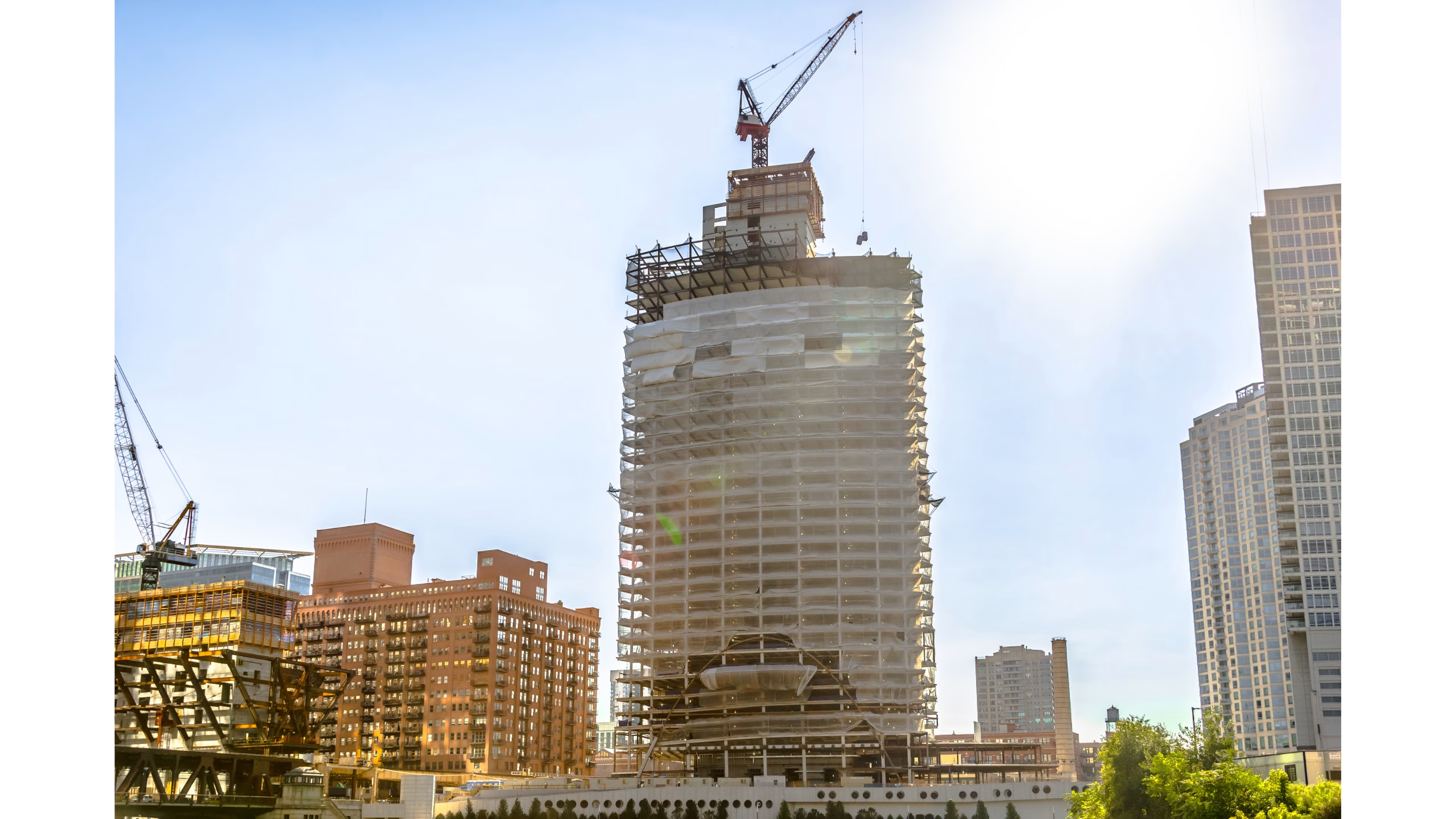
From sleek high-rise condos in the West Loop to single-family infill homes in Lincoln Square, new construction plays a major role in the Chicago housing market, especially for buyers comparing modern homes with existing Chicago properties for sale. Before signing a contract, every Chicago homebuyer should understand the pros and cons of buying new construction in Chicago and how those tradeoffs affect budget, location, and long-term value.
Unlike suburban developments, building in Chicago often means navigating dense neighborhoods, zoning limits, permit timelines, and weather-related delays. If you are considering a never-lived-in home instead of a vintage greystone or bungalow, this guide breaks down what matters most.
Quick Answer: Is buying new construction in Chicago worth it?
Buying new construction in Chicago can be worth it for buyers who want modern layouts, lower early maintenance, energy efficiency, and builder warranties. It is less ideal for buyers who need the lowest purchase price, the most negotiation room, or the ability to inspect a finished home before buying.
What New Construction Means for Chicago Buyers
In Chicago, “new construction” can mean several different property types, not just suburban-style subdivisions. The city’s housing stock includes a mix of infill single-family homes, low-rise condo buildings, townhomes, and high-rise developments.
- Infill Single-Family Homes: Builders tear down an older structure and build a modern home on a city lot, often in neighborhoods like Lincoln Square, Logan Square, Bucktown, and Lakeview.
- Low-Rise and Mid-Rise Condos: Smaller developments that usually blend into established neighborhoods while offering modern finishes and updated layouts.
- Townhomes: Multi-level homes that offer a middle ground between condo living and detached single-family ownership.
- High-Rise Condos: Larger developments concentrated in areas like the West Loop, South Loop, River North, and Streeterville.
The Benefits of Buying New Construction
1. Lower Immediate Maintenance
One of the biggest advantages of new construction is reduced early maintenance. Chicago’s weather can be hard on older properties, so buying a brand-new home can mean fewer immediate repair surprises.
2. Modern Layouts and Finishes
New homes often offer open-concept floor plans, larger kitchens, better storage, and more functional primary suites. That can be a major advantage on narrower Chicago lots where older layouts may feel segmented or outdated.
3. Better Energy Efficiency
New construction typically includes improved insulation, more efficient windows, and updated HVAC systems. For Chicago buyers, that can help reduce heating and cooling costs over time.
4. Builder Warranties
Many new homes include warranty coverage for workmanship, systems, and structural issues. That added protection can reduce risk during the first years of ownership.
The Drawbacks of Buying New Construction
1. Higher Purchase Prices
New construction often comes at a premium because land is limited and development costs are higher. In many Chicago neighborhoods, buyers pay more per square foot for a new build than for a comparable existing home.
2. Upgrade Costs Add Up Quickly
Base pricing may not include the finishes shown in the model home. Buyers should expect additional costs for flooring, cabinets, appliances, fixtures, and smart-home features.
3. Construction Delays
Even well-managed projects can face delays from weather, permits, inspections, or supply issues. That can complicate move-in timing, lease planning, and mortgage lock periods.
4. Less Room to Negotiate
Builders may be less flexible on price than private sellers, especially in desirable neighborhoods. Instead of price cuts, buyers are often more likely to receive credits, incentives, or limited upgrade concessions.
New Construction vs Existing Homes in Chicago
If you are trying to decide between a new build and a resale property, it helps to compare the full ownership experience. For broader local pricing context, compare this guide with DEI Realty LLC’s Chicago real estate market updates.
| Feature | New Construction | Existing Home |
|---|---|---|
| Price | Usually higher | Often lower entry cost |
| Maintenance | Lower in the early years | Can be higher, depending on age and condition |
| Layout | Modern, open, and customizable | More varied, often with older room divisions |
| Energy Efficiency | Usually better | Can vary widely |
| Inspection Certainty | Limited to what is complete at the time | You can inspect the finished property |
| Negotiation Room | Often limited | Usually more flexible |
| Location Availability | More limited | Available across more neighborhoods |
What Costs to Expect Beyond the Base Price
The base price is only part of the equation when buying a new home in Chicago. Be prepared for additional ownership and closing costs that may affect your monthly budget.
- Property Taxes: Plan for taxes based on the long-term assessed value of the completed home, not just the first-year bill.
- HOA Fees: Condo and townhome buyers should review dues, reserves, and any planned assessments.
- Closing Costs: Ask which costs the builder covers and which ones fall to the buyer.
- Upgrades and Customization: Design selections can add a meaningful amount to the final contract price.
- Temporary Housing or Lease Extensions: Build in flexibility in case completion dates move.
Which Chicago Buyers Are Best Suited for New Construction?
- Buyers Who Want Low Maintenance: A new home can reduce the likelihood of major early repairs.
- Buyers Who Value Modern Design: Open layouts, new systems, and updated finishes are a strong fit for many lifestyles.
- Long-Term Owners: Buyers planning to stay for several years may benefit most from the premium they pay up front.
- Flexible Buyers: Those who can work around construction timelines are better positioned to manage delays.
How to Evaluate a New Construction Purchase in Chicago
- Research the Builder: Look at completed Chicago projects and check how the homes have aged over time.
- Review Warranty Terms: Understand what is covered, for how long, and how claims are handled.
- Calculate the Total Monthly Payment: Include mortgage principal, interest, property taxes, HOA dues, and insurance.
- Inspect at Key Stages: If possible, use independent inspections before drywall and again before closing.
- Compare the Home to Nearby Resale Options: Make sure the premium for new construction is justified by the benefits you actually want.
FAQs About Buying New Construction in Chicago
Is new construction more expensive in Chicago?
In many cases, yes. New construction often costs more than an existing home because of land costs, development expenses, and the premium buyers pay for newer finishes and systems.
Do new construction homes hold value well in Chicago?
They can, especially in neighborhoods with strong demand and limited supply. Location, quality, and long-term neighborhood appeal matter more than newness alone.
What should I ask a builder before buying?
Ask about the builder’s track record, warranty coverage, included finishes, upgrade pricing, estimated completion date, and how delays are handled.
Are upgrades worth it?
Some upgrades are worth it if they are hard to change later, such as layout adjustments, electrical planning, or structural options. Cosmetic upgrades can often be added later.
Ready to Explore Chicago Real Estate?
Whether you are looking for a brand-new build in Lakeview or a classic home in Lincoln Park, DEI Realty LLC can help you compare neighborhoods, review builder details, and make a smarter buying decision.
Contact a Chicago real estate agent at DEI Realty LLCDisclaimer: Real estate markets, mortgage rates, and property tax rules can change. Buyers should verify property taxes, builder contract terms, and closing costs with their agent, lender, attorney, and tax professional before purchasing.