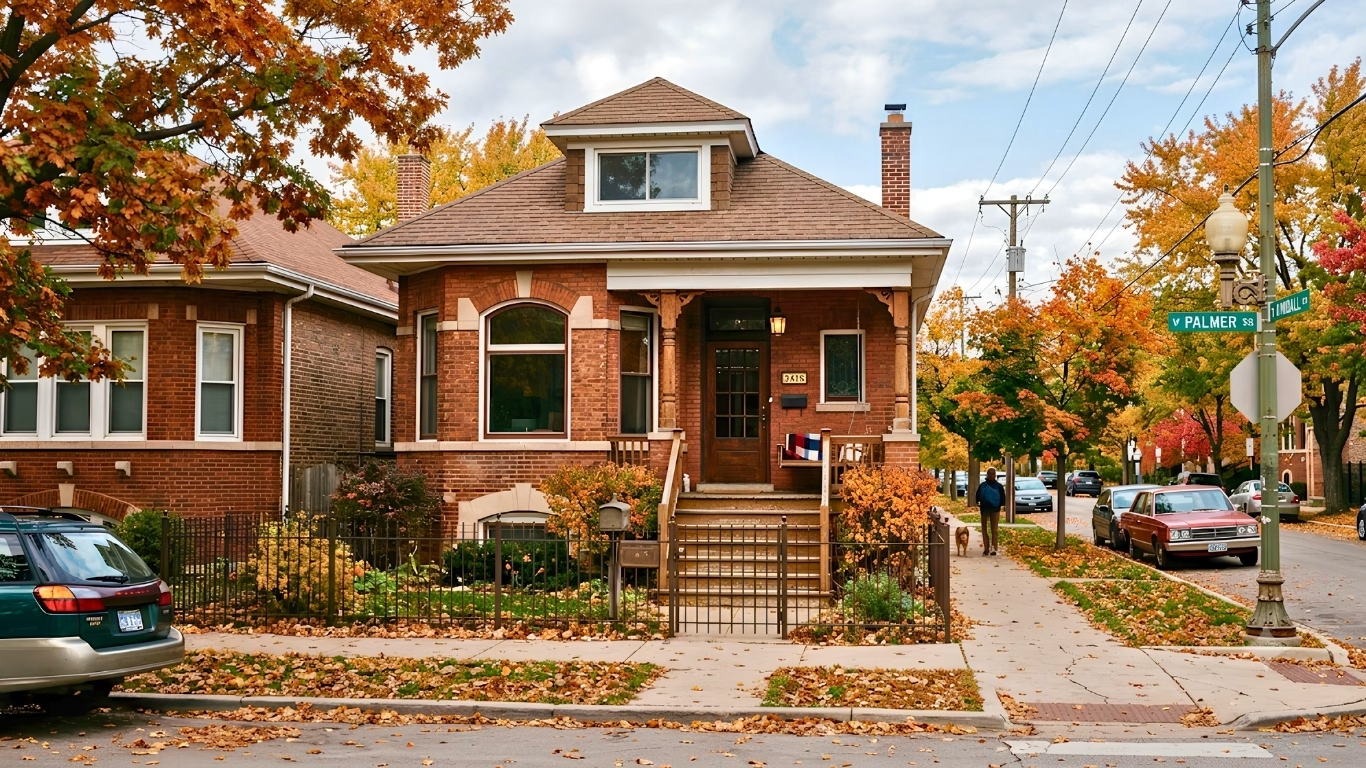
Red Flags to Watch for in an Older Home in Chicago Before You Buy
Chicago has one of the oldest housing inventories in the United States. Many homes in neighborhoods like Portage Park, Logan Square, Beverly, Rogers Park, and Hyde Park were built decades before modern building standards. While these homes offer character and craftsmanship, they can also hide expensive issues that may not be obvious during a showing. The most common red flags in older Chicago homes are foundation cracks, basement water intrusion, outdated electrical systems, and galvanized plumbing with potential lead service lines.
Introduction: Chicago’s Enduring Architecture and Hidden Costs
Chicago’s architectural landscape is renowned globally, reflecting a rich history that spans over a century. From charming Victorian-era homes to classic Chicago bungalows, the city offers a diverse array of housing options with unique character and timeless appeal. However, the allure of an older home often comes with a hidden caveat: potential high-cost repairs due to aging infrastructure and past building practices. Many homes in Chicago were constructed before modern building codes and material standards were established, making a thorough understanding of potential red flags crucial for any prospective buyer. This article will guide you through the seven most significant and costly issues to watch for when considering an older home in the Windy City.
The 7 High-Cost Red Flags to Watch for in an Older Home in Chicago Before You Buy
When evaluating an older home in Chicago, certain issues can quickly turn your dream home into a financial nightmare. Focusing on high-cost risks rather than superficial symptoms is key to making an informed decision.
1. Foundation and Masonry Cracks
Chicago’s unique climate and soil composition make foundation and masonry issues a prevalent concern for older homes.
- Freeze-thaw cycles: Chicago experiences significant temperature fluctuations, leading to frequent freeze-thaw cycles. When water saturates the clay-rich soil around a foundation and freezes, it expands, exerting immense pressure on basement walls. As it thaws, the soil contracts, creating voids. This continuous expansion and contraction can stress foundation walls, widen existing cracks, and cause shifting or settling over time.
- Settling foundations: The clay-rich soil common in Chicago retains a lot of water. When saturated, it expands; during dry spells, it contracts. This movement can lead to foundation settling, cracking, and structural concerns. Signs include sloped floors, cracks in walls, and misaligned windows and doors.
- Brick facade deterioration: Many older Chicago homes feature brick facades. Over time, exposure to the elements, especially the harsh freeze-thaw cycles, can lead to brick deterioration and mortar joint damage, requiring costly tuckpointing to maintain structural integrity and prevent water infiltration.
- Tuckpointing concerns: Tuckpointing is the process of repairing mortar joints in masonry. Neglected tuckpointing can lead to water penetration, further masonry damage, and compromised structural stability.
2. Basement Water Intrusion
Basement flooding is a common and costly problem for Chicago homeowners, driven by a combination of environmental factors and aging infrastructure.
- Heavy spring rains and high groundwater: Chicago’s climate brings heavy spring rains and rapid snowmelt, which saturate the dense clay soil. This can lead to hydrostatic pressure building against basement walls, forcing water through cracks, floor seams, and wall-to-floor joints. The natural water table in Chicago is also high, exacerbating the issue.
- Historic drainage systems: Many older Chicago homes were built before modern basement waterproofing systems existed. Their original drain tiles may have collapsed, and sump pumps might be undersized for current weather patterns. Chicago’s combined sewer system, designed decades ago, can also become overwhelmed during intense storms, causing water and sewage to back up into basements through floor drains.
- Efflorescence and musty odors: White, powdery mineral deposits (efflorescence) on basement walls and persistent musty odors are clear indicators of ongoing moisture problems, even if visible water isn’t present.
- Sump pump dependence: An aging or failing sump pump is a leading cause of basement flooding. Homeowners in older Chicago homes often rely heavily on their sump pumps, making their condition and a reliable battery backup crucial.
3. Outdated Electrical Systems
Many Chicago homes built before 1950, and even up to the 1970s, still have electrical systems that are not equipped to handle modern power demands, posing significant safety risks.
- Knob-and-tube wiring: Common in homes built before the 1950s, knob-and-tube wiring lacks a ground wire, making it incompatible with many modern appliances and a potential fire hazard. Insurers may also refuse coverage or charge higher premiums for homes with this wiring.
- Aluminum wiring: Used extensively in residential construction in Chicago during the 1960s and mid-1970s, aluminum wiring presents unique risks due to its tendency to oxidize and higher resistance compared to copper. Warning signs include hot outlet or switch faceplates, frequent circuit breaker tripping, flickering lights, and burning smells.
- Federal Pacific panels: While not Chicago-specific, Federal Pacific Electric (FPE) Stab-Lok circuit breaker panels, commonly installed in homes from the 1950s to the 1980s, are known for a high rate of failure to trip, which can lead to overloaded circuits and fire.
- Insufficient capacity: Older homes often have limited electrical capacity, leading to frequently tripped breakers, dimming lights, and a reliance on extension cords or power strips, all signs of an overloaded system.
4. Galvanized Plumbing and Lead Service Lines
Plumbing issues, particularly with galvanized pipes and lead service lines, are a major concern in older Chicago homes.
- Galvanized plumbing: Galvanized steel pipes, common in homes built before the 1960s, corrode from the inside out, leading to reduced water pressure, rust-colored water, and eventual blockages. Replacing these pipes can be a significant undertaking.
- Lead service lines: Chicago is nationally known for its extensive network of lead service lines, with over 400,000 such lines, the most of any city in the country. Lead pipes can leach lead into drinking water, posing serious health risks. Homes built before 1986 are particularly susceptible. The cost of replacing a lead service line can be substantial, though Chicago offers programs to assist homeowners, including free replacements for eligible households.
5. Sewer Line Problems
Sewer line problems can be one of the most disruptive and expensive issues in an older Chicago home.
- Clay sewer pipes: Many homes in the Chicago North Shore area, built in the 1950s or earlier, still rely on original clay sewer lines. While resistant to corrosion, clay pipes are brittle and prone to cracking under pressure, shifting soil, and aging.
- Tree-root intrusion: Tree root intrusion is the single most common cause of sewer line failure in Chicago and its suburbs. Roots are attracted to the moisture and nutrients in sewer pipes and can penetrate tiny cracks or loose joints in aging clay or cast iron pipes. Once inside, they grow, causing blockages, displacing joints, and eventually collapsing the pipe.
- Sewer scopes: A pre-purchase sewer scope inspection is highly recommended for older homes to identify existing damage, root intrusion, or other issues before they become major expenses. This can save homeowners significant costs down the line.
6. Roof and Drainage Issues
The harsh Chicago weather can take a toll on roofs and drainage systems, especially on older homes.
- Flat roofs: Many older Chicago buildings feature flat roofs, which require diligent maintenance to prevent water pooling and leaks. Proper drainage is critical for these roof types.
- Ice dams: Chicago’s freezing winters can lead to ice dam formation on roofs. Ice dams occur when melted snow refreezes at the eaves, preventing further drainage and forcing water under shingles, leading to leaks and interior damage.
- Aging flashing: Flashing, the material used to seal roof junctions and penetrations, deteriorates over time. Compromised flashing around chimneys, skylights, and vents is a common source of leaks in older homes.
- Disconnected downspouts: Historically, city code in Chicago required downspouts to be connected to a home’s private sewer drain. However, during heavy storms, this can overwhelm the sewer system and lead to basement backups. Disconnecting downspouts and directing water to the lawn is now recommended to reduce the load on the sewer system.
7. Asbestos and Lead Paint
Homes built before certain years often contain hazardous materials that require careful remediation.
- Lead paint: Homes built before 1978 are highly likely to contain lead-based paint. While intact lead paint is not immediately dangerous, renovation activities or deterioration can release hazardous dust.
- Asbestos materials: Asbestos, a fibrous mineral once widely used for its heat-resistant properties, can be found in homes built before the 1980s in materials like insulation, floor tiles, roofing, and pipe wrap. If undisturbed, it generally poses no risk, but if damaged or disturbed, it can release fibers into the air, which are dangerous when inhaled.
Understanding the Costs: A Chicago Older Home Repair Table
Understanding the potential financial impact of these red flags is crucial for budgeting and negotiation. Here’s an overview of typical repair costs in Chicago:
IssueTypical Chicago CostSewer Line Replacement$5,000 – $20,000Foundation Repair$2,400 – $25,000Electrical Rewire$1,576 – $2,525 (average for house), $9,000 – $80,000 (full rewire)Waterproofing Basement$745 – $3,453 (average), $7,161 – $14,323 (comprehensive)Lead Line Replacement$1,865 – $4,850 (service line), up to $12,000 (all piping), $16,000 – $30,000 (full replacement value)
Note: These are estimated costs and can vary significantly based on the extent of the damage, materials used, contractor, and specific property conditions. Some lead line replacement programs may offer free services to eligible homeowners.
Neighborhood Nuances: Common Older Home Issues by Chicago Area
While many issues are widespread, certain Chicago neighborhoods tend to exhibit particular older home problems more frequently due to their age, construction styles, and local conditions.
NeighborhoodCommon Older Home IssueLogan SquareMasonry and foundation movementPortage ParkGalvanized plumbingBeverlySewer line agingRogers ParkBasement moistureHyde ParkElectrical modernization
Your Pre-Offer Inspection Checklist for Older Chicago Homes
Before you make an offer on an older Chicago home, a thorough inspection is paramount. Here’s a checklist to help you identify potential red flags:
Before Making an Offer
- Request sewer scope inspection: This specialized inspection uses a camera to examine the condition of the sewer line from the house to the main, revealing cracks, root intrusion, or blockages.
- Check electrical panel age and type: Look for brand names like Federal Pacific, or signs of outdated systems like knob-and-tube or aluminum wiring. Inquire about the last electrical upgrade and permit history.
- Ask about lead service lines: Determine if the property has a lead service line and inquire about any city-funded replacement programs or past replacements.
- Inspect basement after rainfall: If possible, visit the property after heavy rainfall to observe any signs of water intrusion, dampness, or musty odors.
- Review roof age and condition: Ask for documentation on the roof’s installation date and any recent repairs. Look for sagging, missing shingles, or signs of improper drainage.
- Check tuckpointing history: Examine the brickwork for deteriorating mortar joints, which could indicate a need for tuckpointing.
- Verify permits for renovations: Any significant renovations should have corresponding permits from the city. Lack of permits can indicate uninspected or non-code-compliant work.
- Look for signs of asbestos and lead paint: While not always visible, be aware of the likelihood of these materials in homes built before 1978 (lead paint) and the 1980s (asbestos).
Frequently Asked Questions About Older Chicago Homes
Q: Is it always more expensive to own an older home in Chicago? A: Not necessarily. While older homes can come with higher repair costs due to aging systems, they often offer superior craftsmanship, desirable locations, and unique architectural features that newer homes may lack. The key is to be prepared for potential expenses through a thorough inspection and budgeting.
Q: How can I find out if a Chicago home has a lead service line? A: You can contact the Chicago Department of Water Management or review property records, though direct confirmation may sometimes require a professional inspection. Chicago also has programs to help homeowners identify and replace lead service lines.
Q: What is the average lifespan of a sewer line in Chicago? A: The lifespan of a sewer line depends heavily on its material. Clay pipes, common in older Chicago homes, can last a long time but are highly susceptible to root intrusion and cracking. Newer PVC pipes are more durable and resistant to these issues. Regular inspections are recommended.
Q: Are there grants or programs to help with older home repairs in Chicago? A: Yes, the City of Chicago and various organizations offer programs, particularly for lead service line replacement, and sometimes for energy efficiency upgrades or other critical repairs, often based on income eligibility. It’s advisable to research available resources.
Conclusion: Investing Wisely in Chicago’s Architectural History
Purchasing an older home in Chicago is an opportunity to own a piece of the city’s rich architectural history. These homes offer unparalleled character and often reside in vibrant, established neighborhoods. However, to truly invest wisely, it’s crucial to approach the process with open eyes and a proactive mindset. By understanding the 7 red flags to watch for in an older home in Chicago—from foundation issues and basement water intrusion to outdated electrical and plumbing systems—you can better prepare for potential challenges and negotiate effectively. A comprehensive inspection, coupled with a clear understanding of typical repair costs and neighborhood-specific nuances, empowers you to make an informed decision. With careful planning and due diligence, your older Chicago home can be a rewarding and cherished investment for years to come.